https://www.facebook.com/profile.php?id=61594210492695&mibextid=LQQJ4d
blog
Home

Blog

Blog

  • The Comprehensive Guide to Wire and Cable Manufacturing Process
    The Comprehensive Guide to Wire and Cable Manufacturing Process Mar 10, 2025
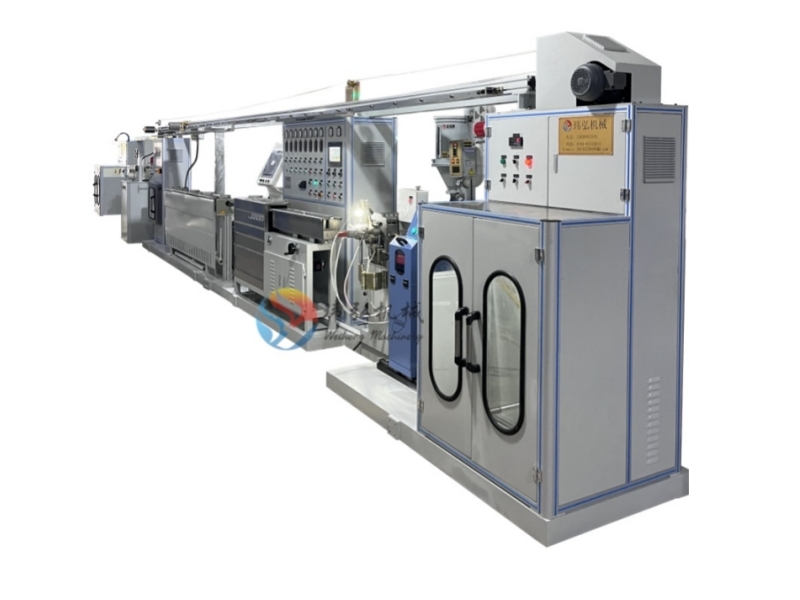
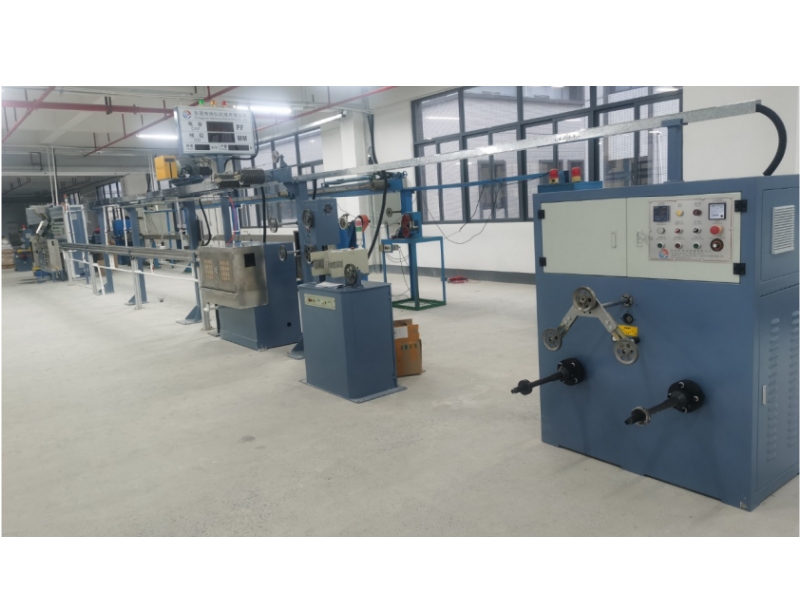
      The wire and cable industry is a cornerstone of modern infrastructure, supporting everything from power transmission to telecommunications. As a manufacturer of wire and cable machinery based in Guangdong, China, we understand the importance of precision and efficiency in every step of the production process. In this blog, we’ll take you through the detailed wire and cable manufacturing process, highlighting the essential machinery involved.      1. Raw Material Preparation   The production of wire and cable begins with the preparation of high-quality raw materials. The primary materials include copper or aluminum for conductors, and polymers like polyethylene (PE) or polyvinyl chloride (PVC) for insulation and sheathing. These materials must undergo rigorous quality checks to ensure they meet industry standards.      2. Wire Drawing Process   The first step in manufacturing is wire drawing, where copper or aluminum rods are pulled through a series of dies to reduce their diameter and increase their length. This process is carried out using a *wire drawing machine*, which ensures the wire achieves the desired thickness and strength. The *drawing dies* used in this process are critical for maintaining precision.      3. Annealing Process   After drawing, the wires undergo annealing to improve their flexibility and conductivity. This involves heating the wires in an *annealing furnace* to a specific temperature and then cooling them gradually. The **continuous annealing machine** is commonly used to prevent oxidation and ensure uniform treatment.     4. Stranding and Conductor Formation   To enhance flexibility and durability, multiple wires are twisted together using a *stranding machine*. This process, known as stranding, can be done in various configurations, such as concentric stranding or bunch stranding. For power cables, a *compacting machine* is often used to compress the stranded conductors into a more compact shape, such as a sector or circle.      5. Insulation Extrusion   Insulation is applied to the conductors using an extrusion machine. This machine melts the polymer material and coats the conductor uniformly. The *cross-linked polyethylene (XLPE) insulation line* is particularly popular for high-voltage cables due to its excellent electrical properties. Key parameters like eccentricity, smoothness, and density are closely monitored during this process.      6. Cabling Process   For multi-core cables, individual insulated conductors are twisted together using a *cabling machine*. This process ensures the cable maintains its shape and flexibility. A *filling machine* is often used to add filler materials, ensuring the cable remains round and stable. Additionally, a *binding machine* secures the cores to prevent movement.      7. Inner Sheathing   To protect the insulated cores from mechanical damage, an inner sheath is applied. This can be done using an *extrusion machine* for a seamless layer or a *taping machine* for a wrapped layer. The choice depends on the cable’s intended use and environmental conditions.      8. Armoring Process   For cables that require additional mechanical protection, an armoring process is employed. A *steel tape armoring machine* or *wire armoring machine* is used to apply steel tapes or wires around the cable. This step is crucial for cables used in underground or underwater installations.     9. Outer Sheathing   The final layer, the outer sheath, is applied using an *extrusion machine*. This layer provides protection against environmental factors like moisture, chemicals, and UV radiation. The *PVC sheathing line* is widely used for its durability and cost-effectiveness.     10. Quality Control and Testing   Before packaging, the cables undergo rigorous testing to ensure they meet industry standards. A *spark tester* checks for insulation defects, while a *tensile testing machine* evaluates mechanical strength. Other tests include *insulation resistance testing* and *high-voltage testing*.    11. Packaging and Delivery   Once the cables pass all quality checks, they are wound onto reels using a *coiling machine* and packaged for delivery. Proper packaging ensures the cables remain undamaged during transportation.       The wire and cable manufacturing process is a complex yet fascinating journey that transforms raw materials into essential components of modern infrastructure. At our factory in Guangdong, China, we specialize in producing state-of-the-art machinery for every step of this process, from *wire drawing machines* to *extrusion lines* and *armoring machines*. By understanding the intricacies of this process, we can better serve our clients and contribute to the growth of the global wire and cable industry.     If you’re looking for reliable and efficient wire and cable machinery, feel free to contact us. Let’s power the future together!      
  • The Future of Guangdong's Manufacturing Industry: Opportunities for Wire and Cable Machinery Manufacturers
    The Future of Guangdong's Manufacturing Industry: Opportunities for Wire and Cable Machinery Manufacturers Mar 10, 2025
      Guangdong, China's manufacturing powerhouse, continues to lead the nation in industrial innovation and economic growth. As a wire and cable machinery manufacturer based in Guangdong, understanding the latest trends and challenges in the manufacturing sector is crucial for staying competitive. This blog explores the current state of Guangdong's manufacturing industry, its future prospects, and how advanced machinery, such as *cable extrusion machines* and *automatic wire stripping machines*, plays a pivotal role in driving growth.       1. Guangdong's Manufacturing Dominance* Guangdong is the heart of China's manufacturing sector, contributing approximately one-eighth of the nation's total manufacturing output. The province is home to 31 manufacturing categories, with 15 industries ranking first in China by scale. In 2024, Guangdong's GDP exceeded 14 trillion yuan, with manufacturing accounting for over 50% of its economic growth.     Key sectors driving this growth include:   - Electronics and Telecommunications: High demand for fiber optic cable production lines and twisting machines to support 5G and IoT infrastructure.   - Renewable Energy: Increasing need for solar panel cables and wind turbine cables, supported by advanced stranding machines** and cable armoring machines   - Automotive and Robotics: Guangdong produces 44% of China's industrial robots, requiring precision machinery like wire drawing machines and annealing machines.       2. Trends Shaping Guangdong's Manufacturing Industry   2.1 Digital Transformation  Guangdong is at the forefront of digital transformation, with over 40,000 enterprises adopting smart manufacturing technologies. For example, *PLC-controlled extrusion lines* and *bunching machines* are now integrated with IoT systems for real-time monitoring and optimization.   2.2 Green Manufacturing*  The province is pushing for sustainable practices, such as using eco-friendly materials in *cable extrusion machines* and reducing energy consumption in *wire drawing machines*. This aligns with global trends toward green cables and low-carbon production.   2.3 Innovation in Advanced Machinery   Guangdong's focus on innovation has led to the development of high-performance machinery, such as *automatic wire stripping machines* and *fiber optic cable production lines*, which are essential for meeting the demands of modern industries.       3. Challenges Facing the Industry   3.1 Raw Material Price Volatility  Fluctuations in copper and aluminum prices impact the profitability of wire and cable manufacturers, necessitating cost-effective solutions like *high-speed extrusion lines* to maintain margins.   3.2 Intense Competition The market is highly competitive, with many small and medium-sized enterprises vying for market share. Investing in advanced machinery, such as *twisting machines* and *cable armoring machines*, can help differentiate your offerings.   3.3 Regulatory Compliance Strict environmental and safety regulations require manufacturers to adopt cutting-edge technologies, such as *PLC-controlled extrusion lines*, to ensure compliance and reduce operational risks.       4. Opportunities for Wire and Cable Machinery Manufacturers   4.1 Renewable Energy Sector The global shift toward renewable energy is creating demand for specialized machinery, such as *solar panel cable production lines* and *wind turbine cable stranding machines*.   4.2 Smart Grids and IoT The rise of smart grids and IoT is driving the need for high-performance cables, supported by advanced *fiber optic cable production lines* and *twisting machines*.   4.3 Emerging Markets Developing countries are investing heavily in infrastructure, offering lucrative opportunities for manufacturers of *cable extrusion machines* and *wire drawing machines*.     5. The Role of Advanced Machinery in Industry Growth   Advanced machinery is the backbone of Guangdong's manufacturing industry, enabling manufacturers to meet evolving demands. Key machines include:   1. Cable Extrusion Machines: Essential for coating wires with insulation materials.   2. Stranding Machines: Used to twist multiple wires into a single cable.   3. Wire Drawing Machines: Reduce the diameter of wires to precise specifications.   4. Automatic Wire Stripping Machines: Remove insulation from wires with high precision.   5. Bunching Machines: Combine multiple strands of wire into a single core.   6. Twisting Machines: Create twisted pairs for communication cables.   7. Annealing Machines: Improve the conductivity and durability of wires.   8. Cable Armoring Machines: Add protective layers to cables for harsh environments.   9. PLC-Controlled Extrusion Lines: Ensure consistent quality and high-speed production.   10. Fiber Optic Cable Production Lines: Specialized equipment for manufacturing high-speed communication cables.      6. Future Outlook  Guangdong's manufacturing industry is poised for steady growth, driven by technological advancements and increasing demand from emerging sectors. By 2027, the province aims to build 30-50 provincial pilot platforms for advanced manufacturing, further solidifying its position as a global leader.     For wire and cable machinery manufacturers, this presents a golden opportunity to develop innovative solutions that address the industry's challenges. By offering state-of-the-art equipment like *high-speed extrusion lines* and *smart stranding machines*, you can position your brand as a leader in the market.       Guangdong's manufacturing industry is at a crossroads, with immense potential for growth but also significant challenges. By leveraging advanced machinery and staying ahead of industry trends, manufacturers can capitalize on emerging opportunities and drive the industry forward.     If you're looking to upgrade your production line or explore new markets, our range of *cable extrusion machines*, *stranding machines*, and *fiber optic production lines* can help you achieve your goals. Contact us today to learn more about how we can support your business in this dynamic industry.      

  • The Future and Challenges of the Wire and Cable Industry: A Comprehensive Analysis for Machinery Manufacturers
    The Future and Challenges of the Wire and Cable Industry: A Comprehensive Analysis for Machinery Manufacturers Mar 10, 2025
      The wire and cable industry is a cornerstone of modern infrastructure, powering everything from household appliances to large-scale industrial operations. As a wire and cable machinery manufacturer based in Guangdong, China, understanding the industry's trends, challenges, and opportunities is crucial for staying competitive. This blog delves into the current state of the wire and cable industry, its future prospects, and the role of advanced machinery in driving growth.     1. Overview of the Wire and Cable Industry*  The wire and cable industry is a vital component of the global economy, with applications spanning power transmission, telecommunications, construction, and renewable energy. In 2024, the global wire and cable market was valued at approximately $200 billion, with China accounting for a significant share due to its robust manufacturing capabilities and infrastructure development.     Key sectors driving demand include:   - Power Transmission: High-voltage cables for long-distance electricity transport.   - elecommunications: Fiber optic and coaxial cables for high-speed data transmission.   - Renewable Energy: Specialized cables for wind turbines, solar panels, and energy storage systems.     2. Current Trends in the Wire and Cable Industry   2.1 Technological Advancements The industry is witnessing a surge in innovation, particularly in materials and manufacturing processes. High-performance materials like cross-linked polyethylene (XLPE) and liquid crystal polymers are replacing traditional PVC cables, offering better durability and efficiency.   2.2 Green and Sustainable Practices Environmental concerns are pushing manufacturers to adopt eco-friendly practices. Green cables, which are halogen-free and low-smoke, are gaining traction due to their reduced environmental impact.   2.3 Smart Manufacturing Automation and digitalization are transforming production lines. Smart machinery, such as *automatic wire stripping machines* and *PLC-controlled cable extrusion lines*, are enhancing efficiency and reducing labor costs.     3. Challenges Facing the Industry 3.1 Raw Material Price Volatility  Copper and aluminum, the primary raw materials for cables, are subject to price fluctuations, impacting profit margins.   3.2 Intense Competition The market is highly fragmented, with numerous small and medium-sized enterprises competing on price rather than quality.   3.3 Regulatory Compliance Strict environmental and safety regulations are increasing production costs, particularly for manufacturers lacking advanced machinery.     4. Opportunities for Growth 4.1 Renewable Energy Sector  The global shift toward renewable energy is creating demand for specialized cables, such as *solar panel cables** and **wind turbine cables*.   4.2 Smart Grids and IoT The rise of smart grids and the Internet of Things (IoT) is driving the need for high-performance cables capable of handling large data volumes.   4.3 Emerging Markets Developing countries are investing heavily in infrastructure, offering lucrative opportunities for wire and cable manufacturers.     5. The Role of Advanced Machinery in Industry Growth Advanced machinery is the backbone of the wire and cable industry, enabling manufacturers to meet evolving demands. Key machines include:   1. Cable Extrusion Machines**: Essential for coating wires with insulation materials.   2. Stranding Machines: Used to twist multiple wires into a single cable.   3. Wire Drawing Machines: Reduce the diameter of wires to precise specifications.   4. Automatic Wire Stripping Machines: Remove insulation from wires with high precision.   5. Bunching Machines: Combine multiple strands of wire into a single core.   6. Twisting Machines: Create twisted pairs for communication cables.   7. Annealing and Tinning Machines: Improve the conductivity and durability of wires.   8. Cable Armoring Machines: Add protective layers to cables for harsh environments.   9. PLC-Controlled Extrusion Lines: Ensure consistent quality and high-speed production.   10. Fiber Optic Cable Production Lines: Specialized equipment for manufacturing high-speed communication cables.     6. Future Outlook The wire and cable industry is poised for steady growth, driven by technological advancements and increasing demand from emerging sectors. However, manufacturers must invest in advanced machinery and sustainable practices to remain competitive.     For machinery manufacturers, this presents a golden opportunity to develop innovative solutions that address the industry's challenges. By offering state-of-the-art equipment like *high-speed extrusion lines* and *smart stranding machines*, you can position your brand as a leader in the market.       The wire and cable industry is at a crossroads, with immense potential for growth but also significant challenges. By leveraging advanced machinery and staying ahead of industry trends, manufacturers can capitalize on emerging opportunities and drive the industry forward.     If you're looking to upgrade your production line or explore new markets, our range of *cable extrusion machines*, *stranding machines*, and *fiber optic production lines* can help you achieve your goals. Contact us today to learn more about how we can support your business in this dynamic industry.      
1 2
A total of2pages

Follow Us :

y f in X

Xml Privacy Policy Blog Sitemap

copyright @ Weihong Machinery Company Limited All Rights Reserved. Network Supported

leave a message

leave a message
If you are interested in our products and want to know more details,please leave a message here,we will reply you as soon as we can.
submit

home

products

WhatsApp

Contact Us